Source Mini Foldable Hair Straightener for Salon, Spa, and Travel
Explore 30 options for a mini foldable hair straightener designed for salon, spa, and household use. Compare features like MCH and PTC heaters, ceramic plates, and LCD displays to find the right electric styling tool for commercial or personal needs.
Key considerations
Products List


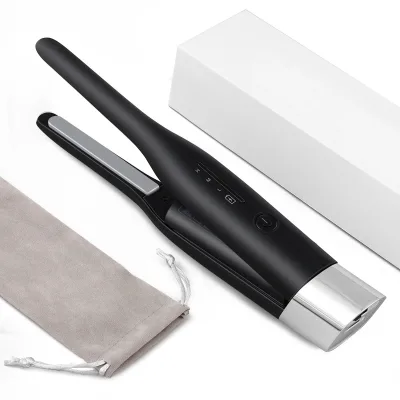
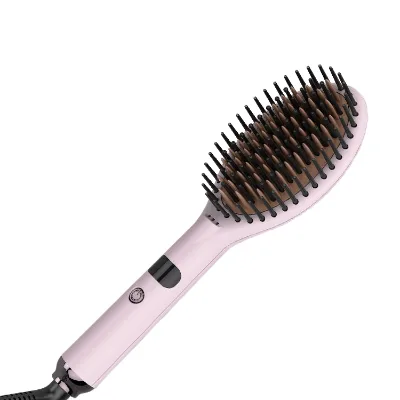


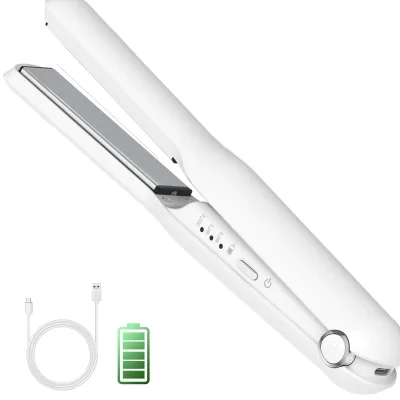
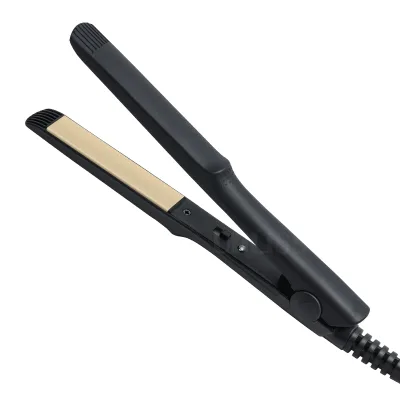
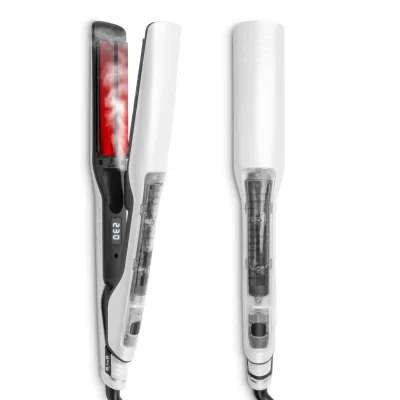
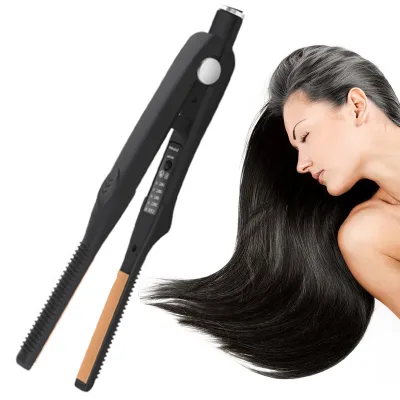
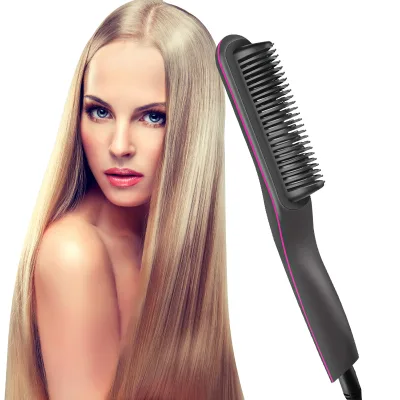


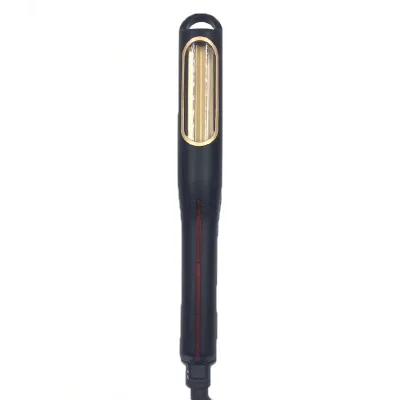
Comprehensive Sourcing Guide
Mini Foldable Hair Straightener Sourcing Guide
The global market for mini foldable hair straighteners is driven by the demand for portable, dual-voltage styling tools suitable for both salon professionals and household users. Procurement teams must recognize that these devices often feature MCH or PTC heating elements with ceramic or tourmaline ceramic plates to ensure even heat distribution. Buyers should verify that the listed power source aligns with their target market, as observed listings include electric, USB, and battery-operated variants. Understanding these core technical distinctions is essential before initiating any supplier engagement.
Sourcing decisions must account for the specific application environments, ranging from commercial salons to personal travel kits. The observed product data indicates a strong focus on dual wet and dry functionality, which requires careful validation of the heating element's durability and safety. Procurement specialists should prioritize suppliers who explicitly state their customization capabilities, as many vendors offer logo printing and color box packaging options. This flexibility allows brands to tailor the product to specific retail channels without compromising the core utility of the device.
Product Scope and Observed Listing Signals
Buyers should analyze the observed price range of 2.04 to 20 USD to understand the tiered value proposition of available units. Lower-priced items often correspond to basic models with limited temperature adjustments, while higher-priced units typically feature advanced LCD displays and multi-level temperature controls. It is critical to correlate the listed price with the specific power rating, as observed models range from 29W to 45W, directly impacting heating speed and styling efficiency. This correlation helps in setting realistic budget expectations for different market segments.
The minimum order quantity (MOQ) flexibility observed between 1 and 1000 units offers significant strategic advantages for testing new product lines. Small MOQs allow buyers to validate market fit with minimal capital risk, whereas larger orders may unlock better unit economics for established brands. Procurement teams must verify if the supplier supports private mold development, as current data suggests this service is generally unavailable, limiting deep customization. Understanding these commercial constraints is vital for planning inventory levels and managing cash flow effectively.
Technical Specifications to Verify
Verification of the heating element material is paramount, as observed listings specify both standard ceramic and tourmaline ceramic compositions. Tourmaline ceramic is often marketed for its negative ion generation, which helps reduce frizz and enhance shine, but buyers must confirm this claim through independent testing. Additionally, the plate diameter, observed between 21mm and 30mm, dictates the styling versatility for different hair types, particularly long hair. Ensuring the physical dimensions match the intended user profile prevents returns and enhances customer satisfaction.
Temperature control mechanisms vary significantly across the observed product range, with some units offering 15 levels of adjustment while others provide only two. Buyers must confirm the maximum temperature rating, as observed data indicates a range up to 400°C, which is suitable for thick or coarse hair but requires safety warnings. The presence of an LCD or LED display is a key differentiator for user experience, allowing precise monitoring of the heat setting. Procurement teams should demand clear documentation on the rated voltage and power source to ensure compatibility with international electrical standards.
Compliance and Safety Documentation
Safety compliance is non-negotiable for electrical styling tools, particularly those intended for commercial and household use. While specific certification statuses like CE or RoHS are noted in background data, buyers must request valid, current certificates from the supplier for every batch produced. The product standard is listed as "depends," which necessitates a rigorous review of the specific safety protocols applicable to the destination market. Relying on generic claims without verified documentation exposes the buyer to significant liability and regulatory risks.
Thermal safety features must be explicitly verified to prevent overheating or accidental burns during operation. Buyers should inquire about the specific safety mechanisms integrated into the MCH or PTC heating systems, such as auto-shutoff timers or insulated handles. The operating language of the device, observed as English, must align with the labeling requirements of the target region. Ensuring that the user manual and packaging clearly communicate safety instructions is a critical step in the compliance verification process.
Cost Drivers and Commercial Terms
The primary cost drivers for these devices include the heating element material, the complexity of the temperature control system, and the packaging type. Units featuring tourmaline ceramic plates and multi-level digital displays command a higher price point compared to basic plastic models with simple mechanical switches. Procurement teams must evaluate whether the added cost of advanced features like negative ion technology justifies the potential for higher retail margins. Understanding these value drivers helps in negotiating better terms with suppliers who offer tiered pricing structures.
Commercial terms regarding after-sales service and warranty are critical for maintaining brand reputation and managing customer expectations. Observed listings frequently mention a one-year warranty and the provision of free spare parts, which are essential for minimizing long-term support costs. Buyers should clarify the specific terms of the store warranty and the process for claiming replacements to ensure a smooth customer experience. Additionally, the packing method, whether standard carton or color box, impacts the final landed cost and should be factored into the total cost of ownership analysis.
Supplier Qualification and Quality Control
Supplier qualification requires a thorough assessment of their manufacturing capabilities and their ability to maintain consistent product quality. Buyers should verify the supplier's experience with electric hair styling tools and their track record for meeting delivery schedules. The observation that the product origin is China indicates a mature supply chain, but it also necessitates strict quality control measures to prevent defects. Establishing clear communication channels and defining quality acceptance criteria before production begins is essential for mitigating risks.
Quality control protocols must include rigorous testing of the heating element's performance and the durability of the folding mechanism. Since the product type is listed as automatic, the mechanical reliability of the folding action is a key quality metric that must be validated. Buyers should request pre-shipment inspection reports that cover functional tests, such as the optimal styling time of 30 seconds and the accuracy of temperature settings. Implementing a robust quality assurance plan ensures that the final product meets the high standards expected by end-users in both salon and household environments.
Long-Term Procurement Checks
Long-term procurement success depends on the supplier's ability to provide consistent after-sales support and spare parts availability. The observed commitment to providing free spare parts is a positive indicator, but buyers must verify the lead time for these replacements to avoid service disruptions. Establishing a clear protocol for handling warranty claims and managing inventory of spare parts is crucial for maintaining customer trust over time. Regular reviews of the supplier's performance against these service metrics help identify potential issues before they escalate.
Market trends and product evolution require ongoing monitoring to ensure the sourced product remains competitive. Buyers should track changes in technology, such as new heating element materials or improved temperature control systems, to stay ahead of the competition. The ability of the supplier to adapt to these changes and offer updated models is a key factor in long-term partnership viability. Continuous engagement with the supplier to discuss future product roadmaps ensures that the procurement strategy remains aligned with evolving market demands.
FAQs
What power sources are available for these straighteners?
These devices support multiple power sources including electric, USB, and battery options. Some models operate on 220V or 110V voltages, while others feature 29W or 45W rated power. This flexibility allows users to style hair at home or in commercial settings like salons without needing a specific outlet type.
How many temperature levels do the heaters offer?
The heaters provide extensive control with up to 15 levels of temperature adjustment. Some specific models offer two distinct adjustment levels or range from 0 to 400 degrees Celsius. This multi-level capability ensures safe styling for various hair types, including long hair, while preventing heat damage.
Can I customize the product with my own logo?
Customization is available for branding purposes, including silk screen printing designs on the handle. However, private mold creation is not offered for these specific units. Buyers can request logo placement on existing packaging or product surfaces to enhance brand visibility without requiring a complete custom manufacturing run.
What materials are used for the heating plates?
The heating elements are constructed from tourmaline ceramic material to ensure even heat distribution. The plates themselves are ceramic, which helps reduce static and protect hair health during styling. This combination supports dual wet and dry functions while maintaining durability for frequent commercial or household use.
What is the warranty period for these devices?
A one-year warranty is provided for all units to cover manufacturing defects. After-sales service includes free spare parts and store warranty support to ensure long-term reliability. This coverage applies to both commercial salon equipment and household units, giving buyers peace of mind regarding product performance and durability.
How long does it take to style hair with this tool?
The optimal styling time is approximately 30 seconds per section for efficient results. The automatic type and rapid heating elements allow for quick preparation and styling sessions. This speed makes the device suitable for busy salon environments as well as quick daily routines for individual household users.
Where are these products manufactured and shipped from?
All products originate from China and are packed in cartons or color boxes for safe transport. The standard dimensions for packaging are approximately 34 by 9 by 2 centimeters. This centralized manufacturing location ensures consistent quality control and efficient logistics for international buyers sourcing these electric hair styling tools.